

The Empathy Challenge
The tension between truly understanding another person’s inner world and the emotional, psychological, or social costs that come with it. Humans are complex and so is empathy

What is Empathy?
"Most of us think of ourselves as good people, and yet, goodness requires more than belief - it requires courage, consistency, and the humility to face where we fall short."
— Ijeoma Oluo
There seems to be a lot of debate about empathy and the lack of empathy for our fellow humans in the world today. The conversations are important and truly valuable to our existence as a species. We must begin to understand our inner worlds so we can continue to grow and exist together in the outer world.

However, there seems to be a lack of understanding of what empathy is.
Empathy is the ability to:
Feel with someone (emotional empathy)
Understand their experience (cognitive empathy)
Care enough to respond with compassion (compassionate empathy)
So when someone says they empathise with another, they are saying that they are feeling, understanding and caring but it is much more complicated than that.
Challenge #1 Emotional Overload
“If I feel everyone's pain, how do I carry my own?”
Too much empathy can lead to empathic distress, where you absorb so much of others’ suffering that it leads to burnout, anxiety, or emotional exhaustion. This is common in:
Caregiving roles
Healthcare and therapy
Activism or social justice work
When it comes to global injustice, genocide and suffering, some of the world stays silent while the others scream into the abyss. This leads to a lot of unrest, and tension in the world, in communities and in families. In every city, there some people who are screaming out for justice and others who go about their day, remaining silent. But we must ask ourselves, are those who are silent, unable to hold the emotional weight of the moment. What unseen weight are they already carrying? Can we offer them empathy?
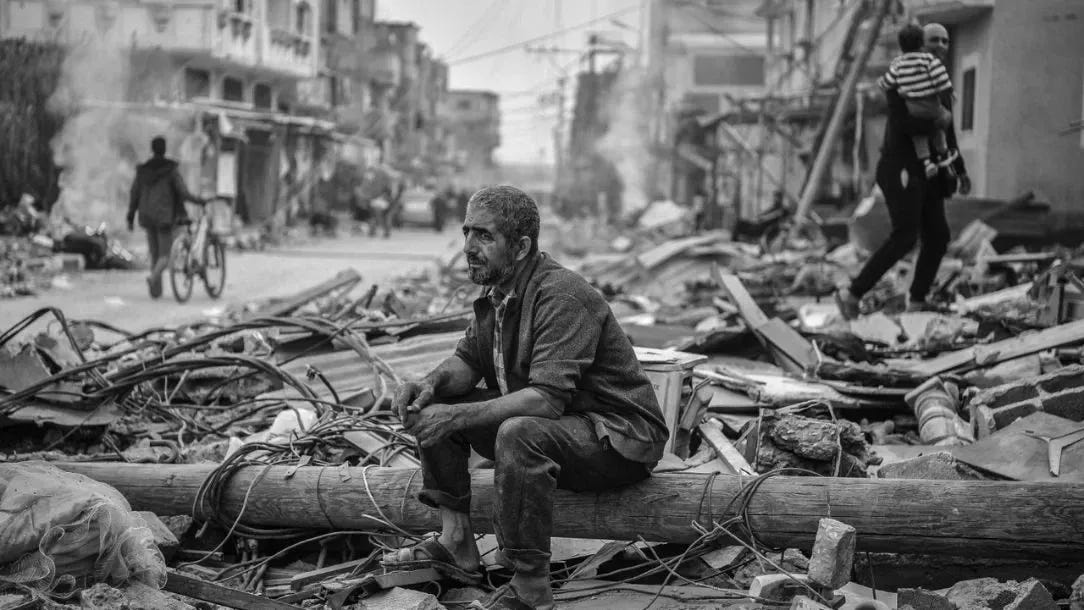
However, Emotional overload can sometimes act as a bypass, even a subconscious defense, against truly caring or taking responsibility for others. We might have heard colleagues, friends or family members say:
“It’s just too much. I can’t deal with this.”
“I feel so bad, I had to look away.”
“It’s making me too anxious, I just can’t think about it.”
There is a quiet shift from compassionate action to self-protection because ones own emotions are centred and the fear and fragility of allowing the pain of another is too much and too unknown. We don’t know what we can hold for another and some question why they should feel sorrow or pain of another (indifference). Some can’t afford this discomfort to shatter their peace privilege. An inability to sit with uncomfortable feelings is a global norm and deeply damaging to us all.
There is a fine line between emotional overload and indifference. We should all check ourselves on this.
RADICAL HONESTY - Journal Prompts:
Did I turn away, shut down, or feel paralyzed?
If so, was it because I felt too much or because I felt nothing at all?
What would it look like to stay present without shutting down, and without drowning?
Can I imagine a version of empathy that includes both boundaries, action and caring?
Challenge #2 Bias and Selectivity
We’re often more empathetic to people who look, think, or live like us.
Empathy can be tribal. Studies show people tend to empathise more with those of their:
Same race or culture
Similar political or social values
In-group affiliations
This limits empathy across lines of difference - race, religion, class, nationality, or even ideology. This creates a completely distorted moral lens from which a person views the world and can reinforce social injustices and hatred in the modern societies we live in. I have personally found that the people who transcend this empathy bias/selective empathy, are usually those who are well educated, well travelled, well-meaning and good listeners.
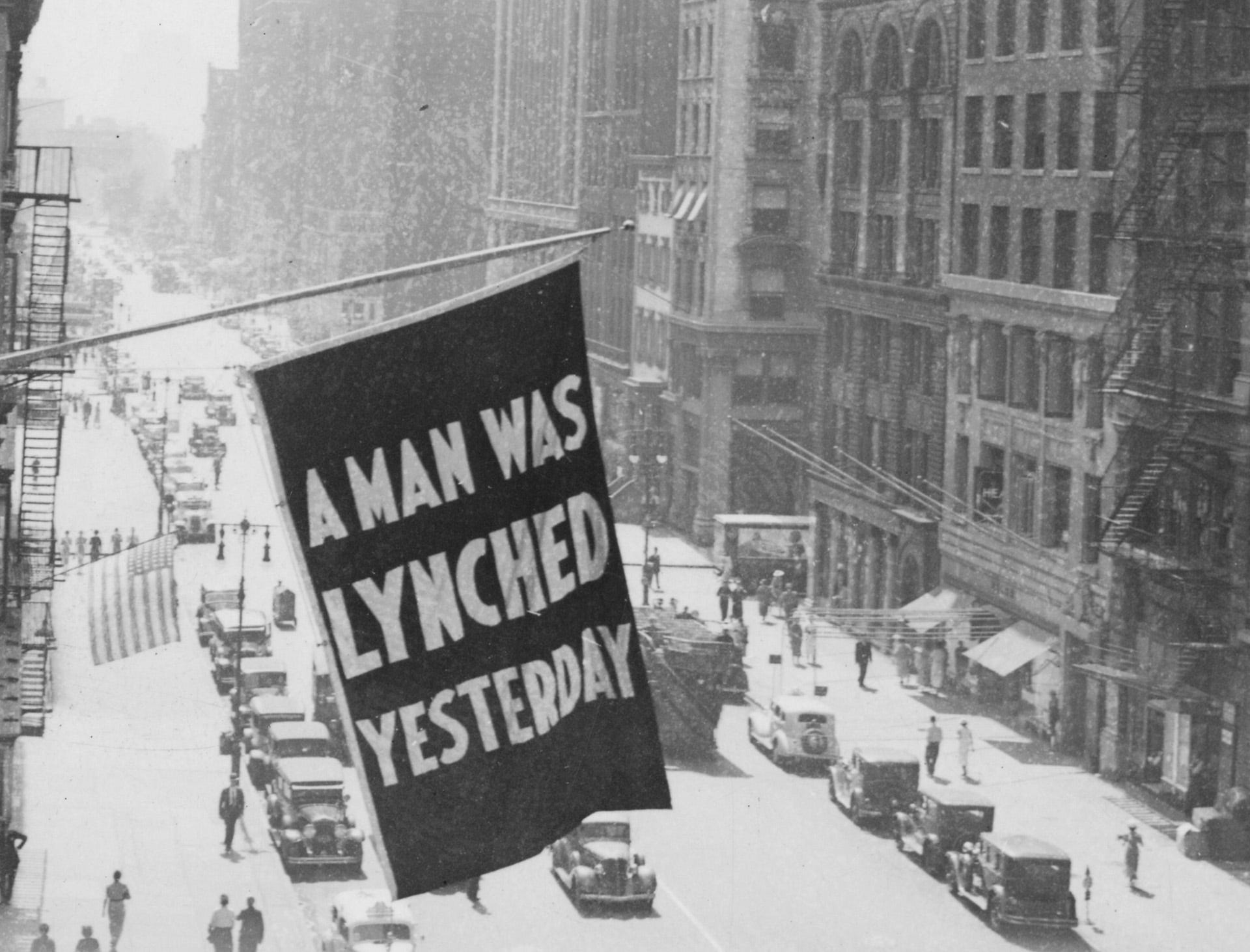
In a society where empathy is unevenly distributed, there is a huge disparity in media coverage, criminal justice and healthcare. This could be seen recently in the massive media coverage of the assassination of Charlie Kirk, a white man who preached a divisive rhetoric, which hinged on white supremacy, misogyny and radical religious ideology. The flags dropped half mast across the United States of America. In comparison, when two young black men, Trey Reed and Corey Zukatis are lynched in Mississippi only one week later, they get almost no media coverage. The confederate flags flying high on masts. This bias/selective empathy in the media of course, creates a very unsafe and unfair society that will breed violence, hate and anger.
This creates us vs. them thinking - fueling polarization, extremism, and social fragmentation.
RADICAL HONESTY - Journal Prompts:
Empathy is fuel for movements. But when it's selective:
It slows justice efforts (“Why should we care about them?”)
It limits coalition-building across communities
It breeds resentment or backlash from groups who feel unseen or excluded
This hinders the formation of solidarity, which is key to systemic change.
Is there anything you wish would change within your community or your country on a systemic level, how would radical empathy help with this?
(eg. police violence, women’s rights, gay rights, systemic racism, childhood cancer research, access to healthcare, educational access for children with additional needs, elderly care, homelessness, housing crisis, )
Challenge #3 Moral Discomfort
Empathising with someone who has done harm or holds offensive beliefs can feel wrong.
What happens when empathy asks you to understand: A criminal, a racist, a political opponent, or someone who hurt you deeply?
Empathy here can feel like a betrayal of your values - or like you're condoning injustice. Yet understanding doesn’t mean agreement. Moral discomfort is the unease or inner conflict you feel when your values, beliefs, or sense of right and wrong are:
Challenged
Contradicted
Compromised
Or revealed to be more complicated than you thought
"If you're not uncomfortable, you're not learning." - Brené Brown
For example you watch a documentary about a serial killer who committed monstrous crimes, but when they begin to reel back the years to childhood and you begin to see all the abuse and suffering they faced, you feel a tinge of empathy for the monster. The next feeling is a challenge.
“Wait, why am I sympathising with a killer? Am I betraying my values?”

People shut down their empathy at this point because it would mean to recognise something in the monster, that they see in themself. They were once more like you, than you would like to admit. They too, are human.
There are also times when moral discomfort is more literal. You might be asked to boycott a certain product that you love, or that adds value to your life. You decide to continue to use this product or service at the expense of your morals. This is cognitive dissonance: your behavior conflicts with your ethics, and discomfort arises. Often, people resolve it by justifying the behavior - or avoiding thinking about it altogether.
How to Work With Moral Discomfort (Not Run From It)
Notice it – What situations make you squirm inside?
Name it – Is it guilt? Shame? Confusion? Fear of being wrong?
Stay curious – What value is being challenged? What’s the fear?
Allow complexity – You can hold multiple truths at once.
Act with intention – Moral discomfort is a call to align your values with your actions, not perfectly, but more consciously.

Challenge #4 Cultural and Language Barriers
You’ve never worn the shoes, you’ve never walked those streets and you don’t know the history that shaped the road you are walking on.
At times, empathy requires context. Without shared understanding of:
Cultural norms
Historical trauma
Language or communication style
...our attempts at empathy can become superficial, inaccurate or even condescending.
Different cultures express and interpret emotion in radically different ways. For example in some East Asian cultures, emotional restraint is a sign of respect and maturity. While, in many Western cultures, emotional openness is seen as authenticity. This outward presentation of empathy needs to be recognised and understood.
“We do not see things as they are. We see them as we are.”
— Anaïs Nin
Language. The culture and meaning behind the words we speak, reflect our own personal history and view and might not land with other people from other cultures. For example many indigenous people do not recognise the idea of owning land, because the land is not something we own but rather something we belong to and must care for.
A person might try to empathise with Indigenous people using Western language about "property rights," and how they have a right to own the land, totally missing the spiritual or relational connection to the land. A well-meaning empathy mismatch. A lesson that language is not neutral. Real empathy would be understanding that they would be the best caretakers of the land that they came from.
And finally, I felt this cultural and language barrier to empathy first hand when I travelled to poverty stricken parts of Africa to help open schools in small rural villages. I went there with misplaced empathy, projecting my own feelings of sadness, shame and pity onto others instead of listening to their stories and understanding their culture.
It sounded something like “These poor people must feel hopeless and broken.”, “they probably hate white people like me” and “they must be so angry that this is the hand they were dealt in this life”.
But what I found were the softest, smiliest, most welcoming people on Earth. All my empathy was tinged with my own history and shame. It was tainted and while these people deserved my empathy through caring, understanding and feelings, they did not need my pity. Empathy should not devalue, it should be a tool to empower.
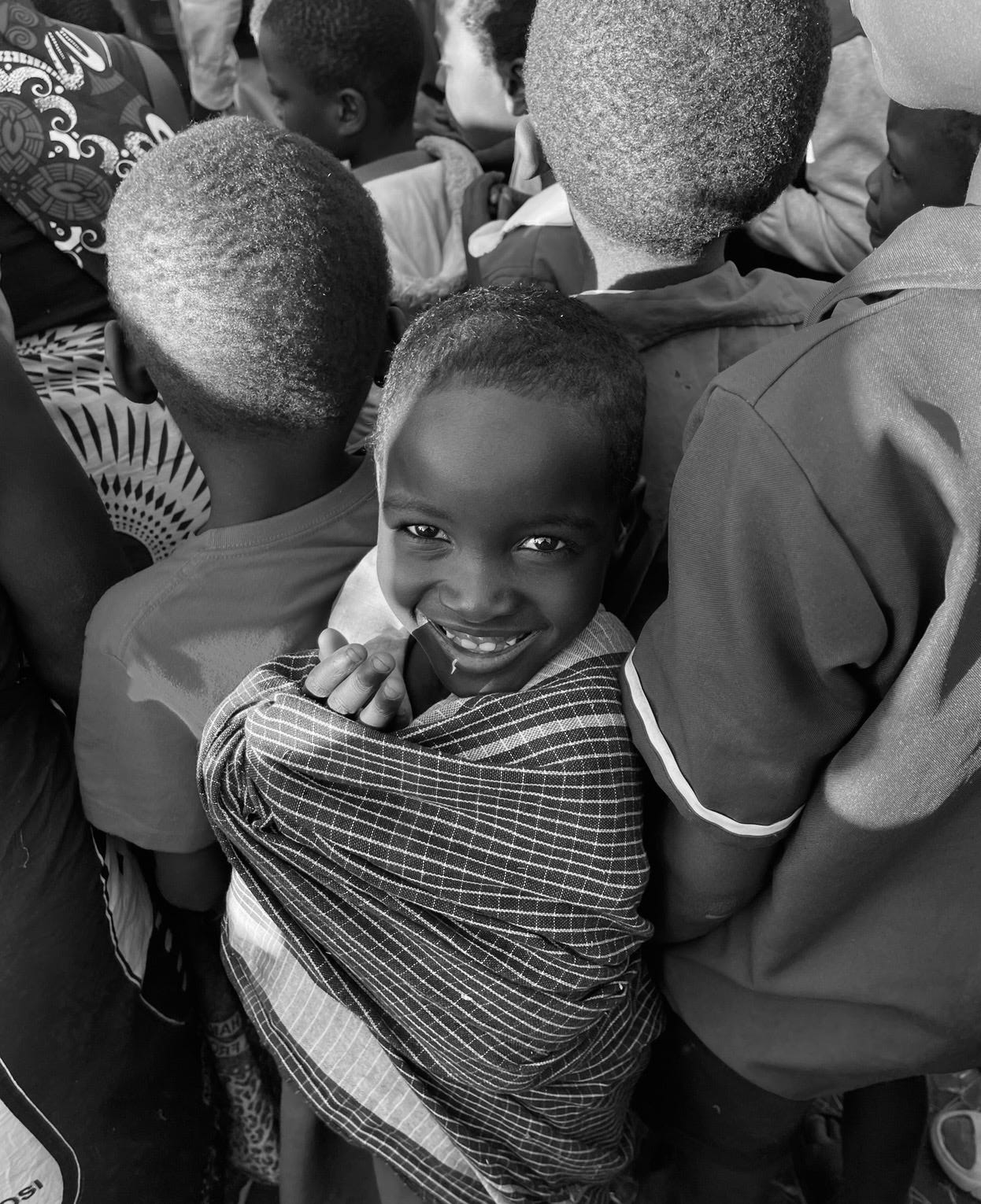
The most radical form of empathy is listening without needing to insert yourself into the centre of the story.
Suggested Reading:
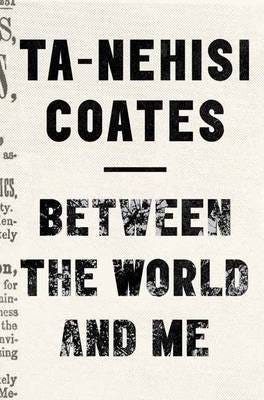
Between the World and Me by Ta-Nehisi Coates
A powerful letter to the author’s son about what it means to live in a Black body in America.
Thanks for reading my TEDTalk thoughts on Empathy.